Zermatt Glacier Hike: The Guided Tour That Puts You on the Ice at Nearly 4,000 m
Most people who come to Zermatt photograph the glaciers from a viewing platform. This tour does something different — it ropes you up and walks you out onto one. The zermatt glacier hike is a guided alpine excursion that trades the cable-car railing for crampons, takes you inside a glacier ice cave, and finishes on a summit at almost 4,000 metres with the Matterhorn filling the horizon. It is a premium, small-group experience built around one thing you cannot get any other way in the resort: actually standing on living glacier ice with someone who knows exactly where it is safe to step. If you are weighing up the bigger picture of things to do in Zermatt, this is the most committing and the most rewarding option on the list. Below is an honest, detailed account of what the day involves, who it suits, and what it asks of you.
About This Activity
A focused half-day on the ice, meeting and finishing in Zermatt
An experienced, locally certified guide leads the whole excursion
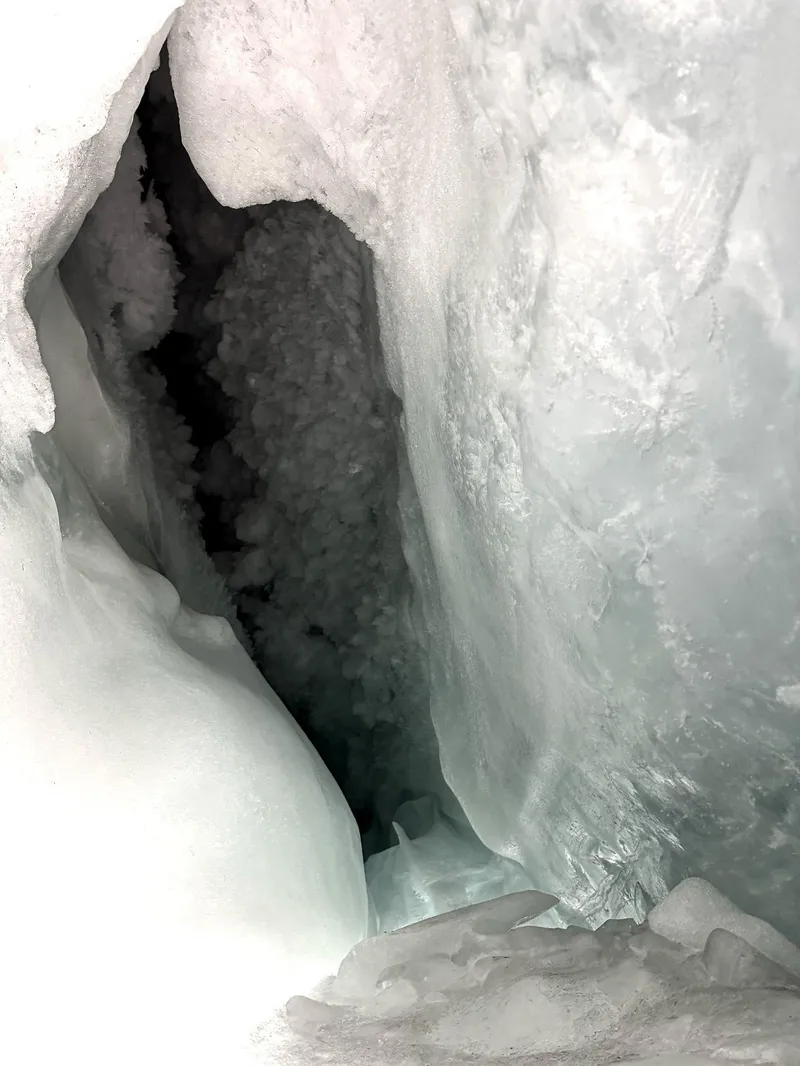
Step inside a cave carved into the glacier and touch ancient ice
Stand on a glacier summit at almost 4,000 metres above sea level
Crampons, harness and rope supplied — you bring sturdy boots
Kept deliberately small so the guide can manage the rope and pace
Check Live Availability & Prices
This is a small-group glacier excursion with a private-style guide ratio, so dates fill quickly in the summer mountaineering season. Check the live calendar for open mornings and current pricing before you plan the rest of your trip.
What a Guided Zermatt Glacier Hike Actually Is
A real glacier, not a viewing deck
Zermatt sits at the heart of one of the largest concentrations of glaciers in the Alps, and most visitors see them through a cable-car window. This tour walks you out onto the ice itself. A glacier is a slow river of compacted snow and ice, riddled with crevasses — deep cracks that can be hidden under a thin bridge of snow.
That is the single reason this is a guided experience and not something you do alone. Your mountain guide reads the surface, chooses the route, and ties the group together on a rope so that if anyone breaks through a hidden crevasse, the rest of the team holds them. From a viewing platform a glacier looks like a static field of white.
Up close it is alive: blue ice, meltwater channels, the occasional crack echoing somewhere below your feet.
Why a guide is non-negotiable
People underestimate glacier terrain because it looks like a gentle snowfield. It is not. Crevasses open and close with the seasons, snow bridges weaken through the day as temperatures rise, and the safe line across a glacier changes from week to week.
A certified mountain guide brings the rope work, the crevasse-rescue training, and — most importantly — the local knowledge of how this particular glacier behaves. On a guided zermatt glacier hike you are roped to that expertise the entire time. This is exactly why the experience carries a premium price: you are paying for one of the few people qualified to take you somewhere genuinely off-limits to unguided visitors.
What nearly 4,000 metres feels like
Standing on a summit at almost 4,000 metres is not like standing at sea level. The air holds noticeably less oxygen, so even a fit person breathes harder and moves slower than they expect. The sun is fierce and the glare off the snow is blinding without proper eyewear, while the temperature can swing from warm in still sunshine to bitter the moment a cloud or breeze arrives.
None of this is dangerous for a reasonably fit person taking it at the guide's pace — but it is real, and it is part of why the day is rated as a genuine alpine outing rather than a sightseeing stroll. The payoff is a summit panorama that very few travellers ever earn on foot.
What You'll See and Do on the Ice
The highlights of the day
The tour is built around a sequence of distinct moments, each one only possible with a guide and the right equipment.
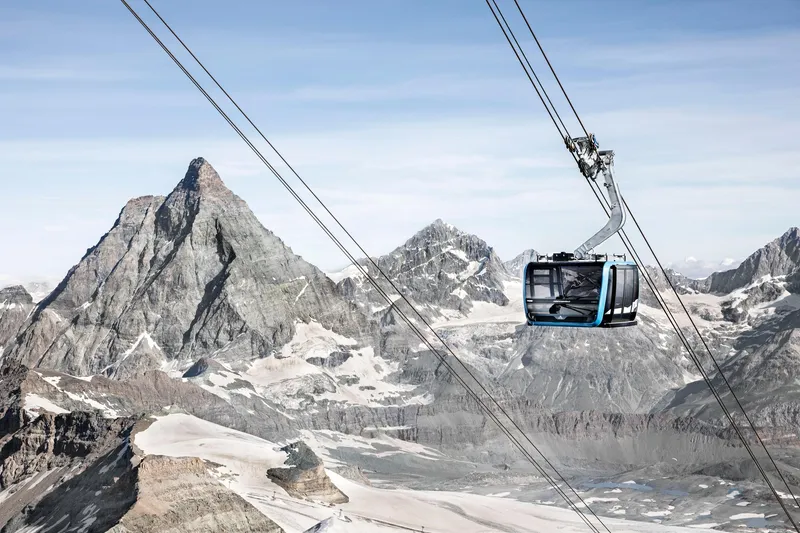
- Roping up on the glacier — the guide fits your harness, clips you into the team rope, and shows you how to walk in crampons before you ever step onto the ice. This is the moment the day turns from a hike into mountaineering. - Inside the ice cave — you step into a cave carved into the glacier, where the ice glows blue and the silence is total. Touching ice that may be centuries old is the quiet highlight most guests remember most. - Reading the crevasses — your guide points out crevasses up close, explains how to spot a weak snow bridge, and shows you the difference between safe and unsafe ground. It is a short, vivid lesson in why glaciers demand respect. - The summit panorama — at almost 4,000 metres the view opens across a sea of 4,000-metre peaks, with glaciers spilling down in every direction. - Matterhorn views — and through it all, the unmistakable horn of the Matterhorn anchors the skyline, seen from an angle and an altitude almost no day-tripper reaches.
What's Included — and What You'll Need to Bring
Included in the tour price
- A certified mountain guide for the full excursion, managing route, rope and pace - Technical glacier equipment: crampons, climbing harness, and the team rope - All safety gear and crevasse-rescue equipment the guide carries - The guide's expertise in reading the glacier and choosing a safe line - Small-group format so the guide can keep close watch on every member - On-ice instruction in crampon walking and roped-team movement before you start
Not included — plan for these
- Sturdy, broken-in mountain boots (stiff enough to take crampons) — these are not provided - Transport to Zermatt and any lift or railway tickets needed to reach the meeting point - Travel and mountain-rescue insurance (strongly recommended for any glacier activity) - Food and drinks for the day, beyond what you carry yourself - Personal clothing and accessories: layers, gloves, sunglasses, sunscreen, hat - Gratuity for the guide, which is customary if you have had a great day
What Happens on This Tour — Step by Step
-
7:30 am
Meet your guide in Zermatt
Gather at the agreed meeting point in the car-free village. The guide checks your boots and clothing, hands out crampons and a harness, and runs through the plan, the weather, and what the glacier is doing today.
-
8:00 am
Lift and approach toward the glacier
Take the lift or railway up out of the valley and begin the approach hike toward the glacier's edge. The walk-in warms the legs and brings you steadily into high-alpine terrain with the peaks opening up around you.
-
9:00 am
Gear up and rope onto the glacier
At the edge of the ice the guide fits harnesses, ties the team together on the rope, and gives a short lesson in walking on crampons. From here on, you move as a roped team.
-
9:30 am
Glacier travel begins
Step out onto the ice. The guide leads a careful line between crevasses, pointing out features in the glacier and explaining how to read the surface as you go.
-
10:30 am
Enter the glacier ice cave
Reach the ice cave and step inside, where the ice glows blue and the air is still and cold. Time to look closely, take photographs, and touch the ancient ice.
-
11:30 am
Final push to the summit near 4,000 m
Climb the last roped section to a glacier summit at almost 4,000 metres. The thinner air slows everyone down — the guide sets a steady, manageable pace.
-
12:00 pm
Summit panorama and Matterhorn views
Stand on the summit for a sweeping panorama of 4,000-metre peaks and glaciers, with the Matterhorn dominating the skyline. Time to rest, take it in, and photograph.
-
12:30 pm
Descent and return to Zermatt
Retrace the roped route off the glacier, hand back equipment, and ride the lift down to the village, finishing the five-hour excursion back in Zermatt.
Important Things to Know Before You Go
What to bring
- Sturdy mountain boots — stiff, broken-in boots that can take crampons; trainers and soft hiking shoes are not suitable and may stop you joining - Warm layers — a base layer, an insulating mid-layer, and a windproof shell; mountain weather changes fast and the summit is far colder than the valley - Sunglasses or glacier goggles — the glare off snow and ice at altitude is intense and can damage unprotected eyes - Warm gloves and a hat — your hands handle cold rope and ice, and a lot of heat is lost from the head - High-factor sunscreen and lip balm — UV is far stronger at altitude and reflects off the snow onto every exposed surface - Water and a packed snack — you carry your own; altitude and exertion burn energy quickly - A small daypack to carry layers as conditions change through the day
What to leave behind — and an honest word on risk
Leave the soft footwear, the heavy luggage, and any idea of wandering off on your own. This is the part to read carefully: a glacier is serious mountain terrain. Crevasses, altitude, and rapidly changing weather are real hazards, which is precisely why you are roped to a trained guide and follow instructions without improvising.
You do not need climbing experience, but you do need a reasonable level of fitness — you will be on your feet for hours, gaining altitude, in thin air. Do not leave behind your honesty about your own condition: if you have a heart or breathing problem, struggle with sustained uphill walking, or have had trouble at altitude before, tell the guide before booking. The day is safe when treated with respect; it is not a place to overestimate yourself.
Where the Tour Meets — Zermatt, Switzerland
Who This Tour Is For
Ideal guests
- Reasonably fit travellers who want a genuine alpine experience rather than a sightseeing ride - Hikers curious about glacier travel who have never roped up before and want to do it safely with an expert - Photographers chasing ice caves, blue glacier ice, and summit panoramas that day-trippers never reach - Adventurous couples or friends comfortable spending several hours on their feet at altitude - Anyone who wants to say they stood on a glacier summit near 4,000 metres — and did it the right way, with a guide
Not suitable for
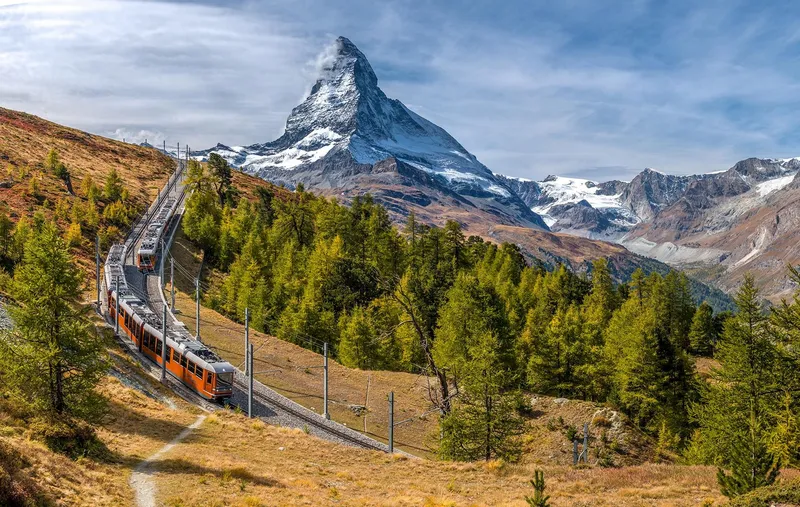
- Young children — the altitude, the rope work, and the sustained effort make this an adults-and-older-teens activity - Anyone without a baseline of hiking fitness; this is not a casual stroll and there is no easy way to opt out mid-glacier - Travellers with a serious fear of heights or exposure, which crevasses and high terrain will test - People who have struggled with altitude before, or who have heart or breathing conditions, without clearing it with the operator first - Anyone hoping for a quick, low-effort photo stop — for that, a cable-car platform or the Gornergrat railway is the better choice
Do I need climbing or mountaineering experience for the Zermatt glacier hike?
No prior climbing experience is required. The guide teaches you everything you need on the day — how to walk in crampons and how to move as a roped team. What you do need is a reasonable level of fitness, because you will be on your feet for several hours and gaining altitude in thin air. If you can manage a long, steady uphill hike, you can manage this tour.
Is it safe to walk on a glacier?
It is safe when done with a certified mountain guide, which is exactly how this tour is run. Glaciers contain crevasses and hidden cracks, so the guide ropes the group together, chooses a safe line, and carries rescue equipment. Walking on a glacier without a qualified guide is genuinely dangerous — this tour exists so you can experience it the right way.
What equipment is provided and what do I bring?
The tour provides the technical glacier gear: crampons, a harness, and the team rope, plus the guide's safety and rescue equipment. You bring sturdy mountain boots stiff enough to take crampons, warm layers, gloves, a hat, sunglasses or goggles, sunscreen, and your own water and snacks. Soft trainers are not suitable and may prevent you from joining.
Will I really reach nearly 4,000 metres, and will I feel the altitude?
Yes — the tour finishes on a glacier summit at almost 4,000 metres. At that height the air holds less oxygen, so most people breathe harder and move more slowly than usual. The guide sets a steady, manageable pace to account for it. If you have had altitude problems before or have a heart or breathing condition, mention it to the operator before booking.
What happens if the weather is bad on the day?
Glacier excursions depend on safe conditions, so if the weather makes the route unsafe the guide may reschedule or cancel for safety reasons. Mountain weather can change quickly, which is part of why an experienced local guide makes the call. Confirm the operator's specific weather and cancellation policy at the time of booking.
What Guests Say
I have ridden the cable cars in Zermatt twice before, but actually roping up and walking out onto the glacier was a completely different world. The ice cave was unreal and standing on the summit near 4,000 metres, breathing hard, with the Matterhorn right there — I will never forget it. Our guide was calm, clear, and obviously knew every crack in that ice.
This was the highlight of our whole Switzerland trip. We are fit but had never been on a glacier, and the guide made us feel safe the entire time without ever dumbing it down. He showed us crevasses up close and explained why a guide matters. Worth every franc — you are paying for real expertise, not just a walk.
Tough, beautiful, and totally worth it. The altitude is real and the climb to the summit had me puffing, but the pace was steady and the views were like nothing I have seen. The blue ice inside the cave alone was worth the trip. Bring proper boots and good sunglasses — they are not exaggerating about the glare.